
Rainscreen panel materials
Every material below rides the same drained, ventilated rainscreen cavity — what changes is the face of the building, and how it performs against fire, impact, weight and the DMV climate. We supply and install all six as complete systems, so the choice is driven by the project, not by whatever we happen to stock.
Panel systems we install
Six cladding material families, each engineered for the building's environment, use and architecture — supplied and installed as a complete rainscreen system.
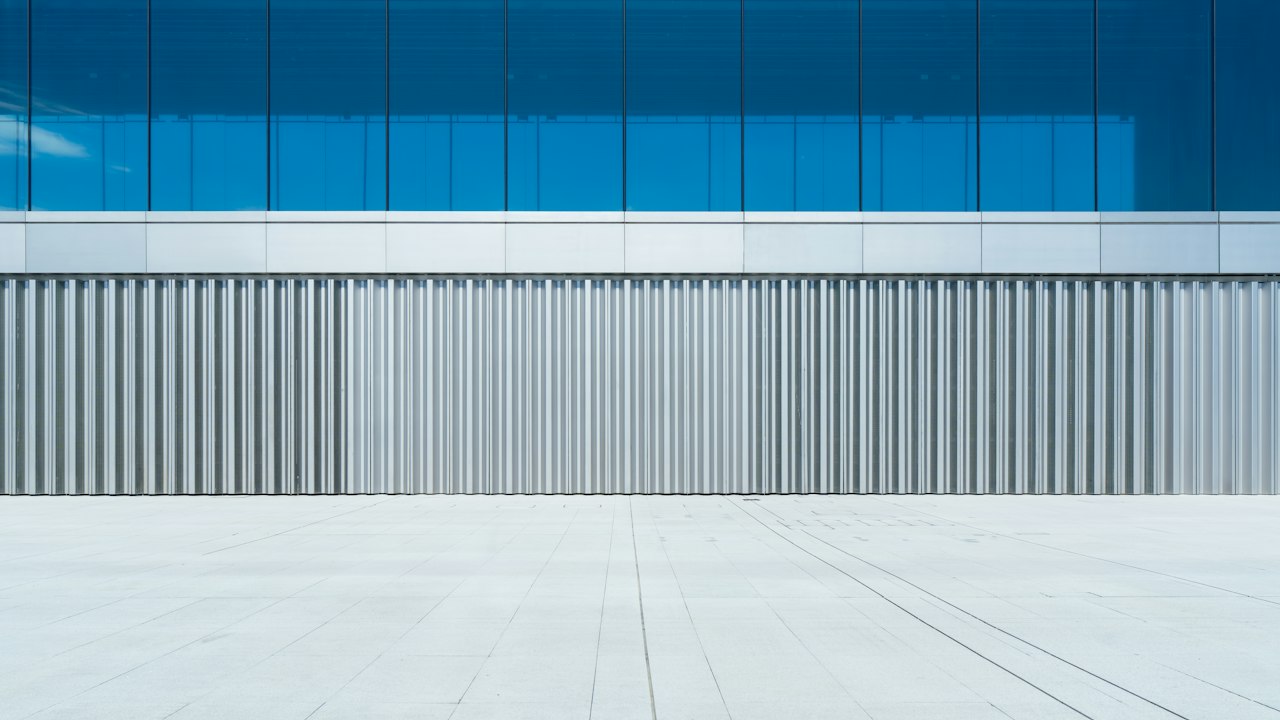
Fiber cement panels
Durable, fire-resistant, rot-proof panels that read as stone or wood — the region's workhorse rainscreen material.
Explore fiber cement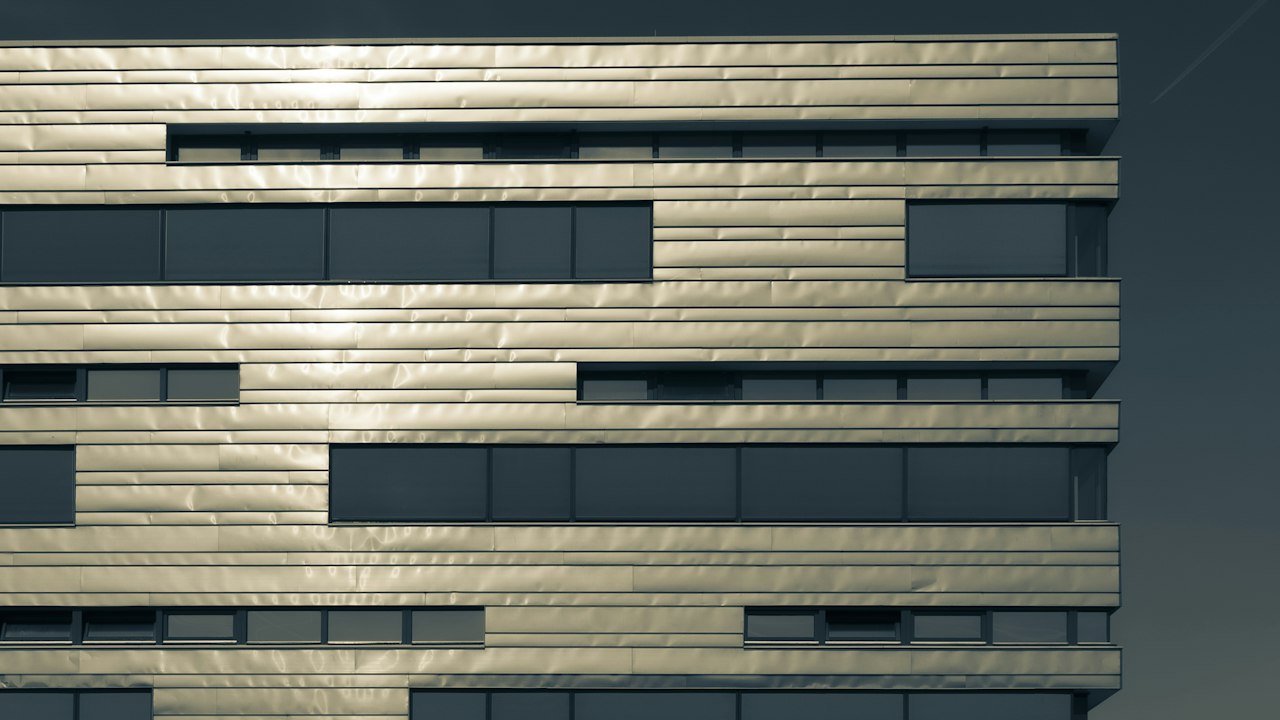
Metal panels
Aluminum composite, metal plate, insulated and single-skin systems — endless colors, exceptional weather and fire performance.
Explore metal panels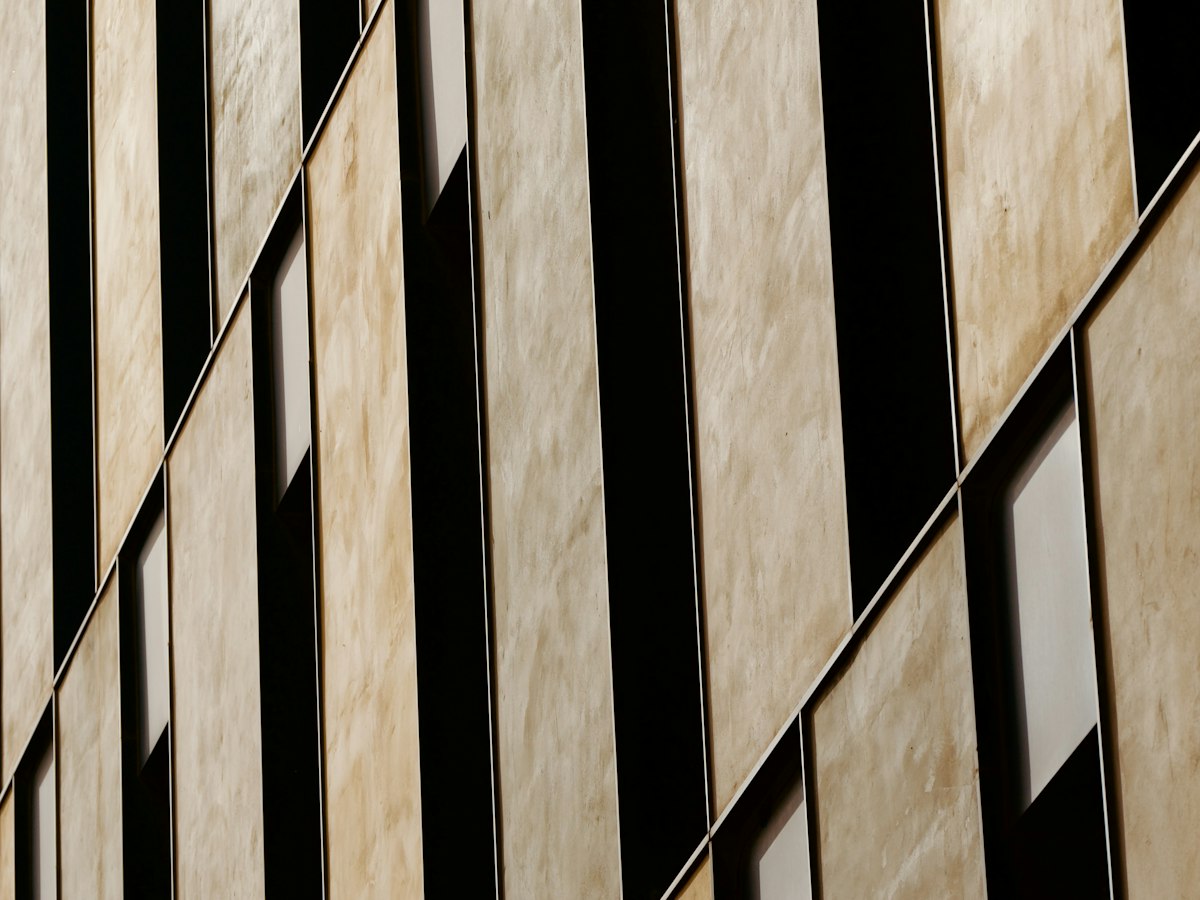
HPL panels
Lightweight, color-stable laminate panels with crisp open-joint detailing.
Explore HPL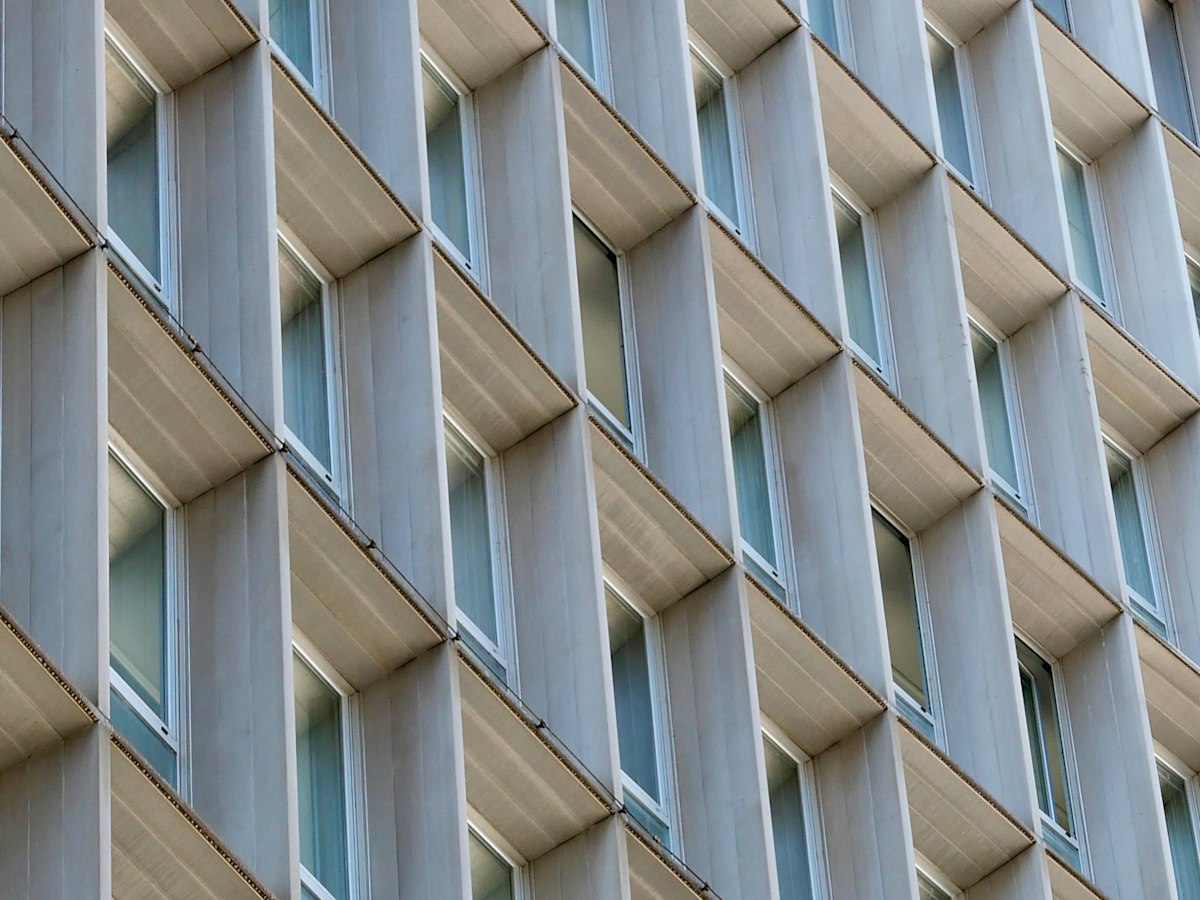
UHPC panels
Thin, dense concrete panels with a refined mineral surface and serious strength.
Explore UHPC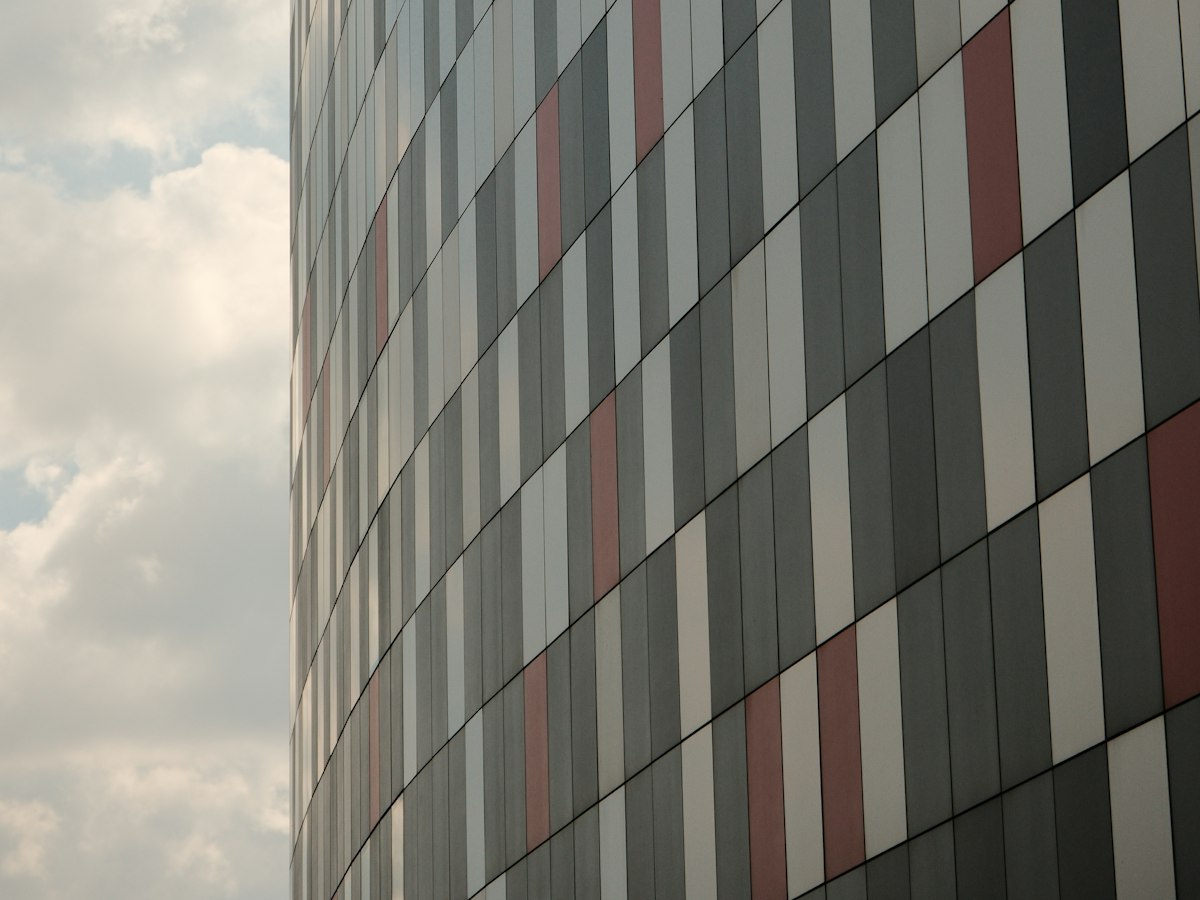
Terracotta & ceramic
Natural clay and porcelain that hold color and integrity for decades.
Explore terracottaComparing the materials at a glance
A quick orientation before the detail pages. Every option can be built as a vented, drained or pressure-equalized rainscreen.
| Material | Best for | Relative weight | Fire performance | Relative cost |
|---|---|---|---|---|
| Fiber cement | Commercial & mixed-use workhorse | Medium–heavy | Non-combustible | $–$$ |
| Metal (ACM / plate) | Government, healthcare, bold facades | Light–medium | Non-combustible (plate) · FR-core (ACM) | $$–$$$ |
| HPL | Modern open-joint, wood looks | Light | Fire-rated grades available | $–$$ |
| UHPC | Refined mineral, high-durability | Heavy | Non-combustible | $$$ |
| Terracotta & ceramic | Institutional, decades of color stability | Heavy | Non-combustible | $$$ |
Cost and weight are relative guides only — installed cost depends on the system, sub-framing, joint detailing and project size. We'll price your specific building.
How to choose
Four questions decide most projects. The rest is detailing.
Government, healthcare and taller buildings push toward non-combustible metal plate, terracotta or UHPC and pressure-equalized assemblies.
Wood-grain warmth points to HPL or fiber cement; crisp mineral surfaces to UHPC; deep, lasting color to terracotta; sharp metallic lines to plate and composite.
Fiber cement and HPL lead on installed cost; UHPC, terracotta and metal plate cost more up front but reward long-horizon, low-maintenance ownership.
Wind exposure, impact risk and how much weight the backup wall can carry all narrow the field before aesthetics do.
Material questions, answered
Common questions from architects, builders and owners across the DMV.
Which rainscreen panel material is best for the DMV climate?
There isn't one best material — the right choice depends on the building's exposure, use, height and architecture. Fiber cement is the durable, fire-resistant workhorse for most commercial and mixed-use work; terracotta holds color and integrity for decades on institutional buildings; metal plate and composite suit government and healthcare projects; HPL and UHPC give modern, low-maintenance finishes. All of them perform well in the Mid-Atlantic's humid summers and freeze–thaw winters when detailed as a proper drained, ventilated assembly.
What is the most cost-effective rainscreen cladding material?
Fiber cement and HPL are generally the most budget-friendly panel materials while still giving long service life and low maintenance. Metal plate, UHPC and terracotta sit higher on cost but bring specific benefits — impact resistance, mineral durability or decades of color stability. We help owners weigh installed cost against lifecycle cost rather than panel price alone.
Can different panel materials be combined on one facade?
Yes. Mixing materials — for example fiber cement fields with metal accents, or terracotta at the base with HPL above — is common and lets the design respond to budget, sun exposure and street presence. Because every material rides the same drained, ventilated rainscreen cavity, they can be coordinated on a single wall as long as the transitions and sub-framing are detailed for it.
Not sure which panel material fits your project?
Tell us about the building, the look you're after and the budget. We'll help you land on the right material, system and detailing.