
Terracotta & Ceramic Rainscreen Cladding in Washington, DC
Natural fired clay and porcelain that hold their color and integrity for decades — the material of choice for universities, museums and civic buildings. We install terracotta and ceramic as complete, back-ventilated rainscreen systems across DC, Maryland and Virginia.
What terracotta & ceramic cladding are
Terracotta is extruded natural clay, fired into rigid panels, tiles, or the vertical baguettes and sunshades that give so many campus and cultural buildings their rhythm. Ceramic and porcelain cladding are denser fired tiles — typically large-format and very thin — offering broad, flat, low-absorption surfaces. Both are among the oldest building materials there are, brought into the modern envelope as a ventilated rainscreen.
The appeal is permanence with warmth. Fired clay is non-combustible and exceptionally color-stable: natural and glazed finishes hold their color and integrity for decades because the color is inherent to the material, not a coating. That's why terracotta is a go-to for universities, museums and high-end institutional work across Washington DC, Maryland and Virginia — a natural, tactile façade that ages gracefully.
As a rainscreen, the clay or porcelain hangs off the wall on carrier rails or anchors over a continuous weather-resistive barrier and ventilated cavity — a true drained, back-ventilated assembly, not adhered tile — so the system drains and dries the way the climate demands.
How terracotta fits in the wall assembly
The cladding is layer one — the visible screen. Hover or tap a number to see what sits behind it.
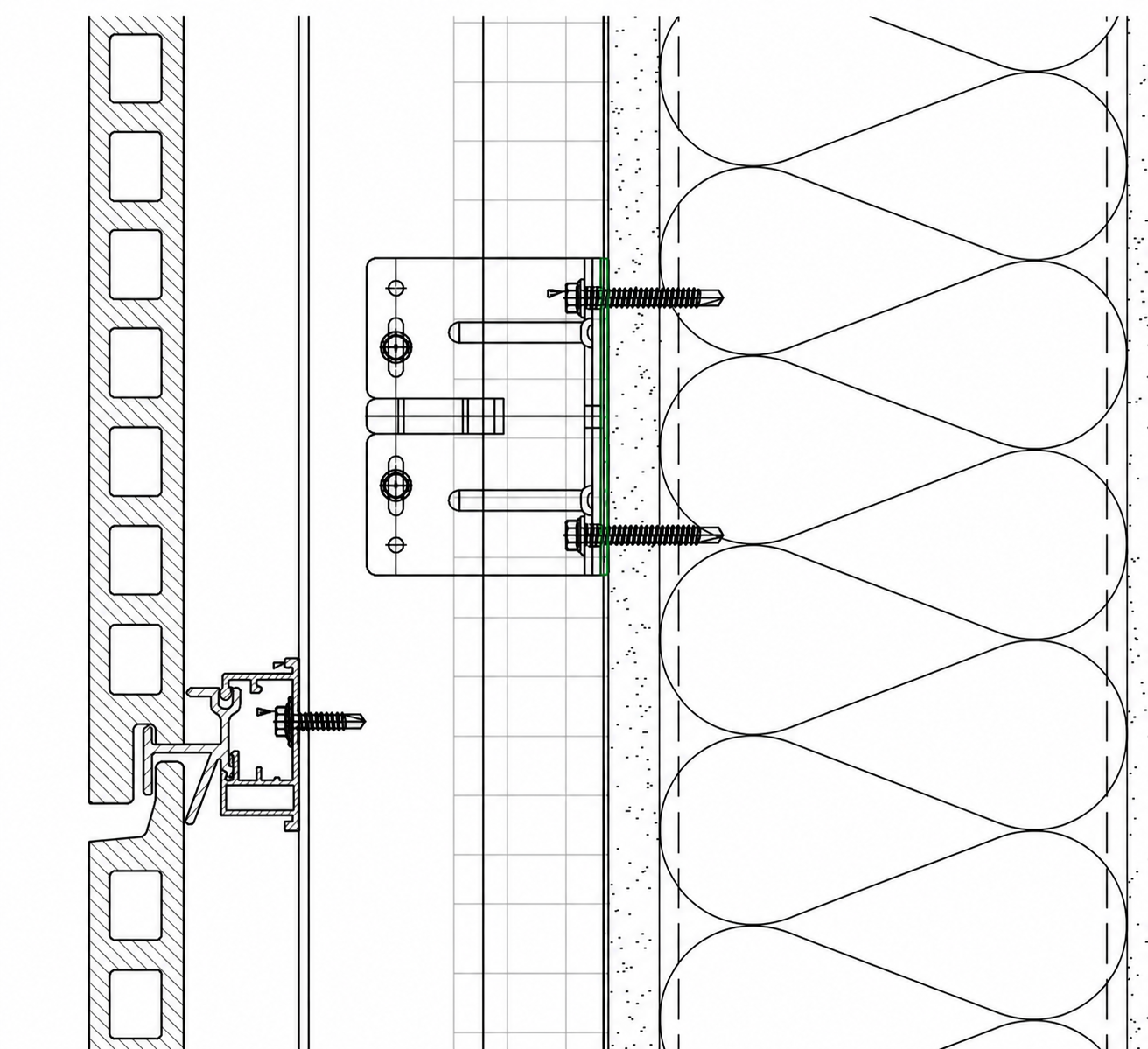
Fig. 01 — Terracotta rainscreen assembly
Why specify terracotta & ceramic
Three reasons it anchors so many institutional façades.
Color that lasts decades
Because the color is fired into the clay rather than coated on, natural and glazed terracotta hold their appearance and integrity for decades — a façade that still looks right long after coated claddings have faded.
An honest, tactile material
Fired clay is a natural, non-combustible material with real depth and texture. It reads as warm and crafted up close while delivering the durability and fire performance institutions require.
Profiles, glazes & baguettes
Extruded profiles, a deep range of natural and glazed colors, and vertical baguettes or sunshades give architects an expressive, rhythmic language for civic and campus buildings.
Brands & systems we install
Our installation process
How a terracotta rainscreen goes up — from coordination to closeout.
- Survey & shop drawings
We measure the wall, coordinate with the architect and other trades, and produce panel and baguette layouts with rail and anchor detailing for openings and terminations.
- Weather-resistive barrier & flashing
The continuous WRB and all flashings at windows, parapets and penetrations go on first — the line that genuinely keeps water out.
- Continuous insulation & sub-framing
Exterior insulation and the rainscreen sub-frame with carrier rails establish the ventilated, drained cavity at the correct depth.
- Panel installation
Terracotta units or porcelain panels are hung to the layout on rails or undercut anchors, holding consistent reveals and clean joint lines.
- Detailing & closeout
Corners, returns and terminations are finished, the cavity ventilation paths are confirmed clear, and the wall is inspected and documented.
Terracotta & ceramic projects
Terracotta & ceramic questions
What's the difference between terracotta and ceramic or porcelain?
Terracotta is extruded natural clay, fired into hollow profiles or solid panels — often flat tiles or vertical baguettes and sunshades. Ceramic and porcelain are denser fired tiles, typically large-format and very thin. Both are natural, fire-resistant and color-stable; terracotta brings warm, hand-made character while porcelain offers large, flat, low-absorption panels. We install both on ventilated rainscreens.
Does terracotta survive freeze-thaw in the DMV climate?
Yes, when specified and detailed correctly. Architectural terracotta and porcelain are fired to low water absorption and formulated for exterior freeze-thaw exposure, which is why they're used on institutional buildings across the Mid-Atlantic. As a back-ventilated rainscreen, the cavity keeps water moving and the assembly drying through the region's winters.
How long does it last, and does the color fade?
Fired clay is exceptionally color-stable — natural and glazed terracotta hold their color and integrity for decades, often cited at 75 years or more, because the color is inherent to the fired material and resists UV. That longevity is a big part of why universities, museums and civic buildings choose it.
How is it attached?
Extruded terracotta panels and baguettes hang on horizontal or vertical carrier rails clipped to a sub-frame, forming the ventilated cavity. Large-format porcelain is typically held with undercut anchors or clip systems. Both keep the cladding off the wall over a continuous weather-resistive barrier — a true rainscreen, not adhered tile.
Considering terracotta or ceramic for a DC, Maryland or Virginia project?
Send us the building details and the look you're after — we'll talk through profiles, finishes and detailing.