
Metal Rainscreen Panels in Washington, DC
From lightweight aluminum composite to solid metal plate. We install ACM/MCM, metal plate, insulated and single-skin metal rainscreen systems across DC, Maryland and Virginia — engineered for weather, fire and a precise architectural look.
What metal cladding offers
Metal is the most versatile family of rainscreen cladding. At one end, aluminum composite material (ACM/MCM) gives large, dead-flat panels in almost any color for an economical, modern façade. At the other, solid metal plate — aluminum or stainless — delivers premium flatness, serious impact resistance and a finish that suits the most demanding government and healthcare buildings. Between them sit insulated metal panels, single-skin systems for industrial work, and metal tiles and shingles that borrow the look of slate or wood.
What they share is performance: metal shrugs off weather, resists pests, won't rot, and is highly recyclable. Specified with the right fire-rated core or non-combustible substrate, metal meets the fire requirements that apply as buildings get taller. And because finishes range from anodized natural metal to bold solid colors and micas, metal lets the architecture say exactly what it wants to.
As a rainscreen, the panel rides on a sub-frame over a ventilated, drained cavity, continuous insulation and a continuous weather-resistive barrier — the assembly that makes the system perform, not just the skin.
How metal panels fit in the wall assembly
The panel is layer one — the visible screen. Hover or tap a number to see what sits behind it.
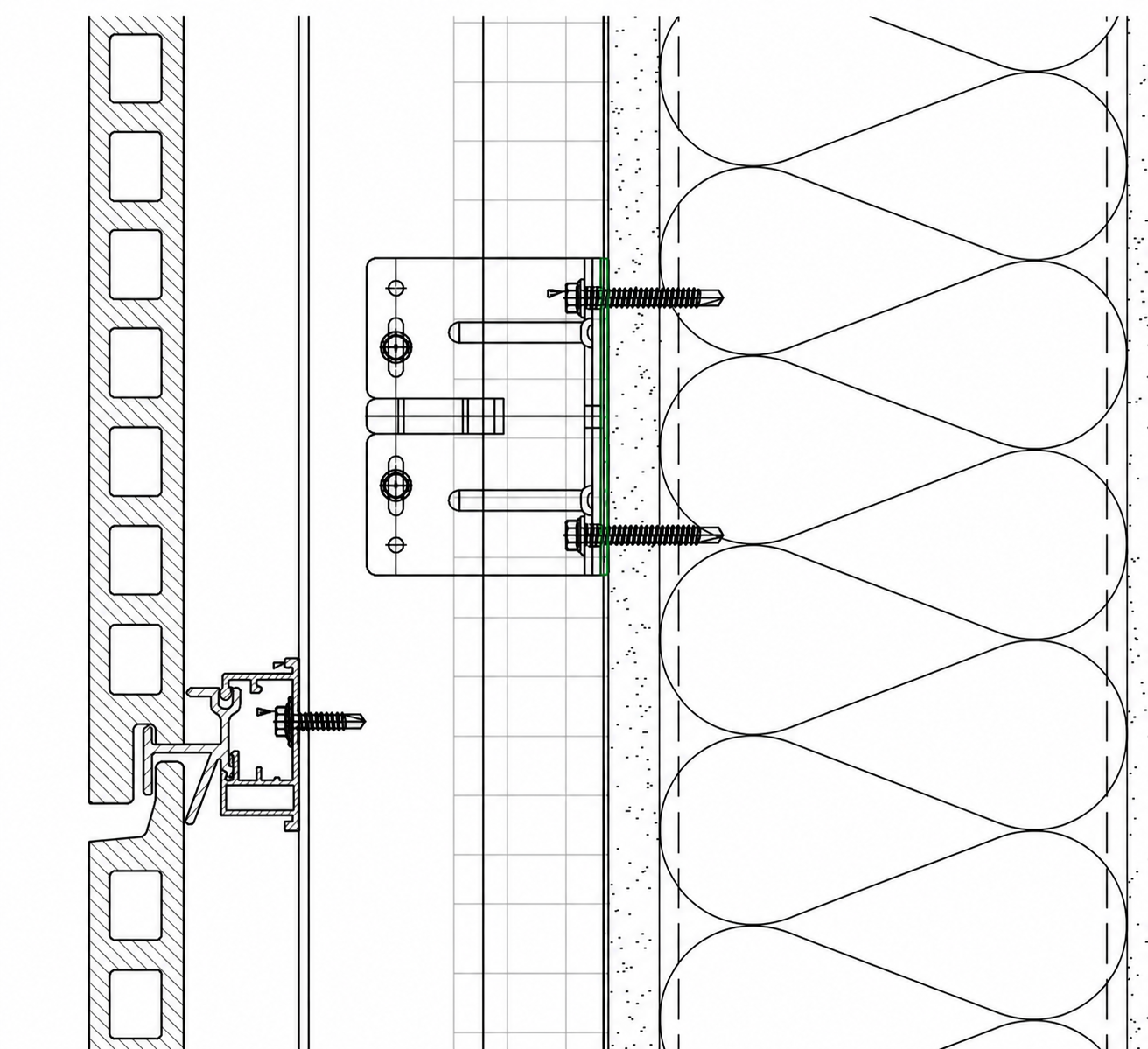
Fig. 01 — Metal rainscreen assembly
Why specify metal
Three reasons metal anchors so many institutional and commercial façades.
Weather & impact resistance
Metal handles wind-driven rain, UV and temperature swings without degrading, and solid plate resists denting and abuse in high-traffic, high-security settings.
Almost any look
Solid colors, metallics, anodized and natural finishes, plus tiles and shingles — metal gives the architect the widest design range of any panel family.
Long life, recyclable
A well-detailed metal façade lasts decades with minimal upkeep, and the material is highly recyclable at end of life — a real sustainability advantage.
Systems we install
Our installation process
How a metal rainscreen goes up — from coordination to closeout.
- Survey & shop drawings
We measure the wall, coordinate with the architect and other trades, and produce panel layouts and detailing for transitions, openings and terminations.
- Weather-resistive barrier & flashing
The continuous WRB and all flashings at windows, parapets and penetrations go on first — the line that genuinely keeps water out.
- Continuous insulation & sub-framing
Exterior insulation and the rainscreen sub-frame establish the ventilated, drained cavity at the correct depth.
- Panel fabrication & hanging
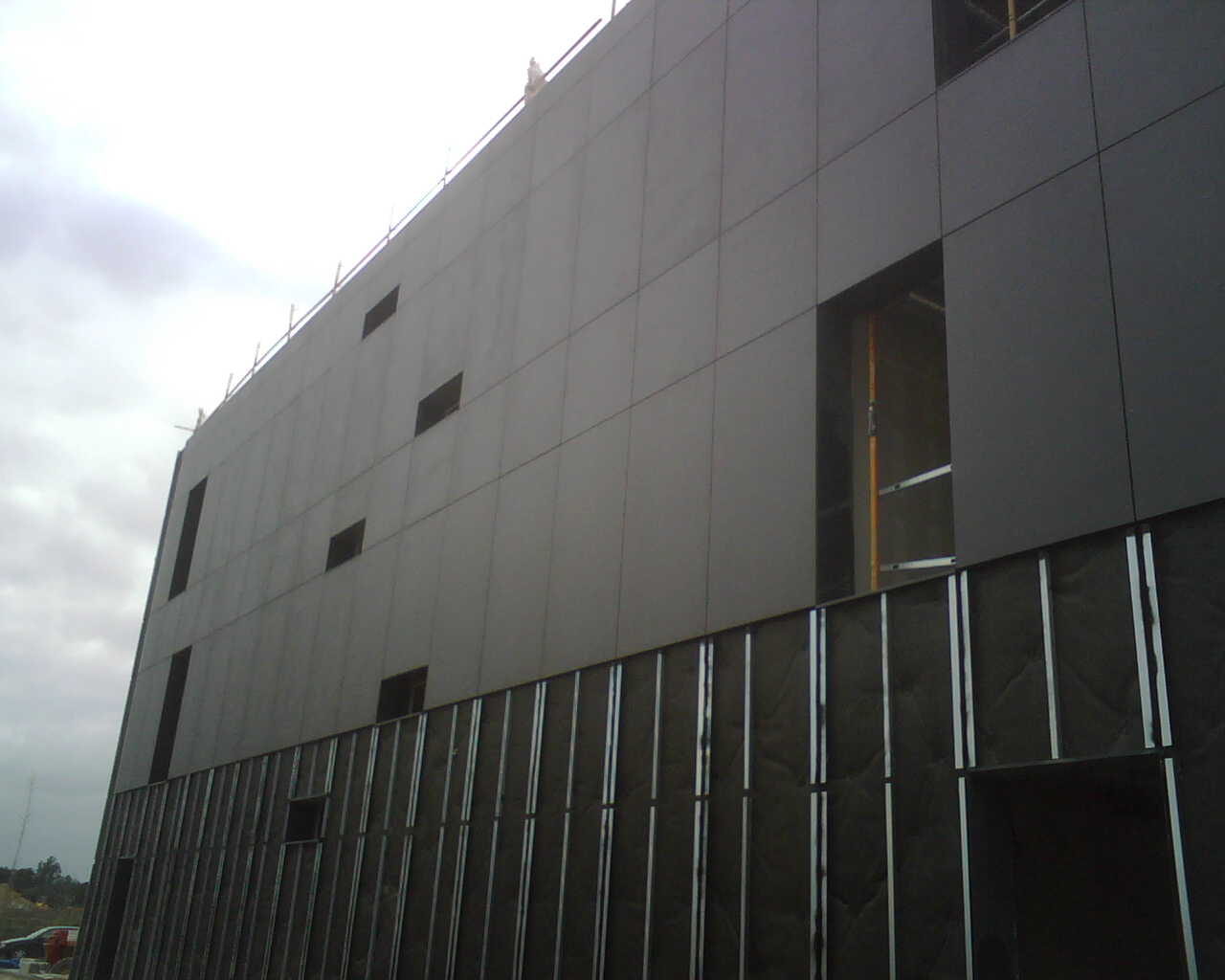
Composite and plate panels are routed, folded and hung on their concealed attachment system, holding consistent reveals and joint lines.
- Detailing & closeout
Corners, returns and terminations are finished, the cavity ventilation paths are confirmed clear, and the wall is inspected and documented.
Metal panel projects
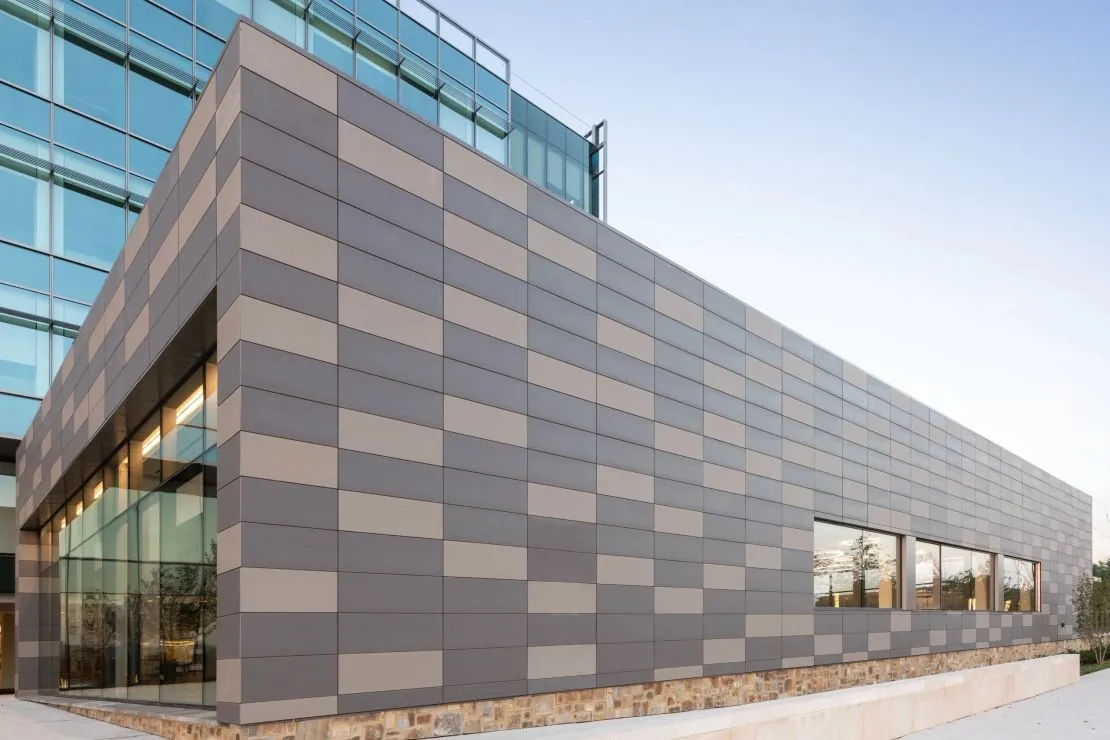
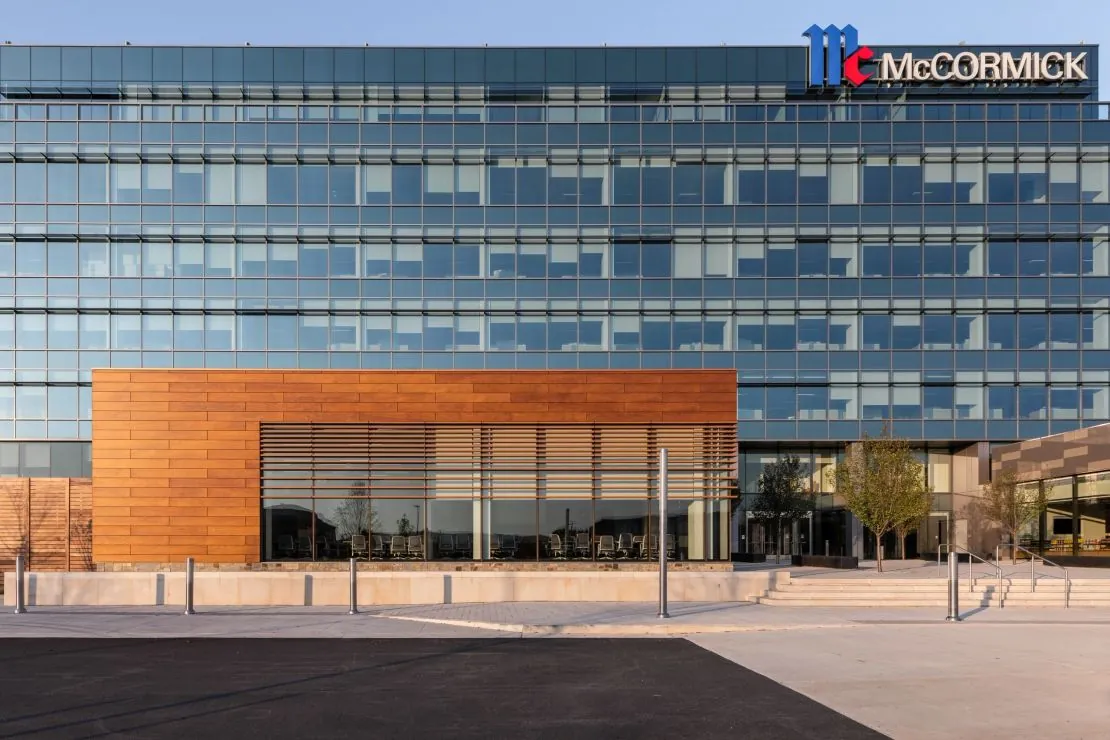
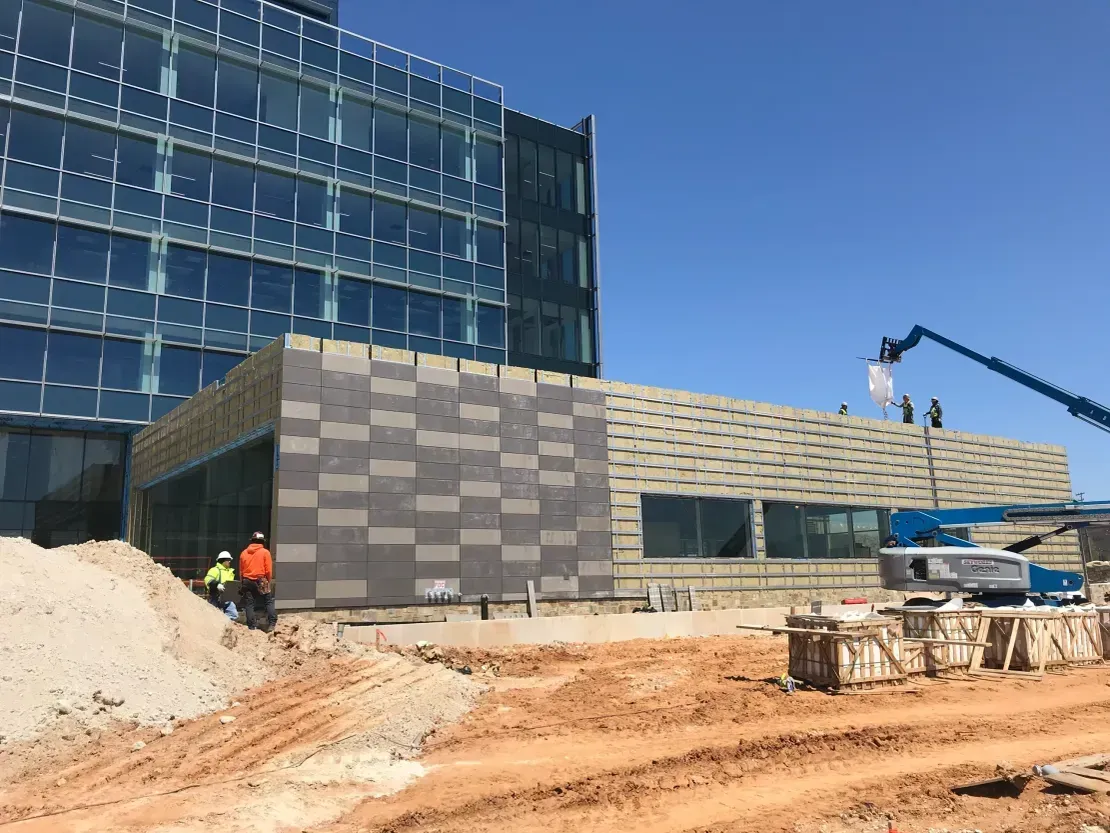
Metal panel questions
What's the difference between ACM and metal plate?
Aluminum composite (ACM/MCM) is lightweight — two thin aluminum skins bonded to a core — giving large, flat, economical panels in a huge color range. Metal plate is solid aluminum or stainless: heavier and pricier, but with exceptional flatness, impact resistance and a premium look. ACM suits broad façades and tight budgets; plate suits high-traffic, high-visibility or high-security buildings.
Are metal rainscreen panels fire-safe?
Yes, with the right product. We install composite panels with fire-rated (FR) cores and non-combustible metal plate and single-skin options that meet the fire-performance requirements for the building's type and height. Material selection and assembly testing are part of scoping every metal façade.
Are metal panels good for government and commercial buildings here?
Very much so. Metal plate and composite are widely used on government, healthcare, transportation and retail buildings across DC, Maryland and Virginia for weather and impact resistance, long service life, and the design freedom to hit a specific institutional or contemporary look.
What colors and finishes can I get?
A very wide range — solid colors, metallics, micas, anodized and natural metal finishes, plus textured and patterned options, and tiles or shingles that mimic slate or wood. We help match the finish to the architecture and to the region's exposure.
Considering metal cladding for a DC, Maryland or Virginia project?
Send us the building details and the look you're after — we'll talk through systems, finish and detailing.