
Fiber Cement Rainscreen Panels in Washington, DC
The durable, fire-resistant workhorse of the building envelope. We install Hardie, Nichiha and Swisspearl fiber cement panels as complete, back-ventilated rainscreen systems across DC, Maryland and Virginia.
What fiber cement is
Fiber cement is a composite of Portland cement, sand and cellulose fiber, pressed and cured into dense, dimensionally stable panels. It carries the architecture like a masonry material but installs as a lightweight, panelized screen — which is why it has become the default rainscreen cladding for so much commercial, institutional and multifamily work in the region.
The appeal is its balance. Fiber cement is non-combustible, doesn't rot, doesn't feed insects, and shrugs off the freeze–thaw cycling that punishes other claddings through a Mid-Atlantic winter. Factory finishes hold their color, and the material is offered in surfaces that read as smooth painted panel, natural stone or genuine wood grain — so the look can range from crisp and modern to warm and textured without giving up performance.
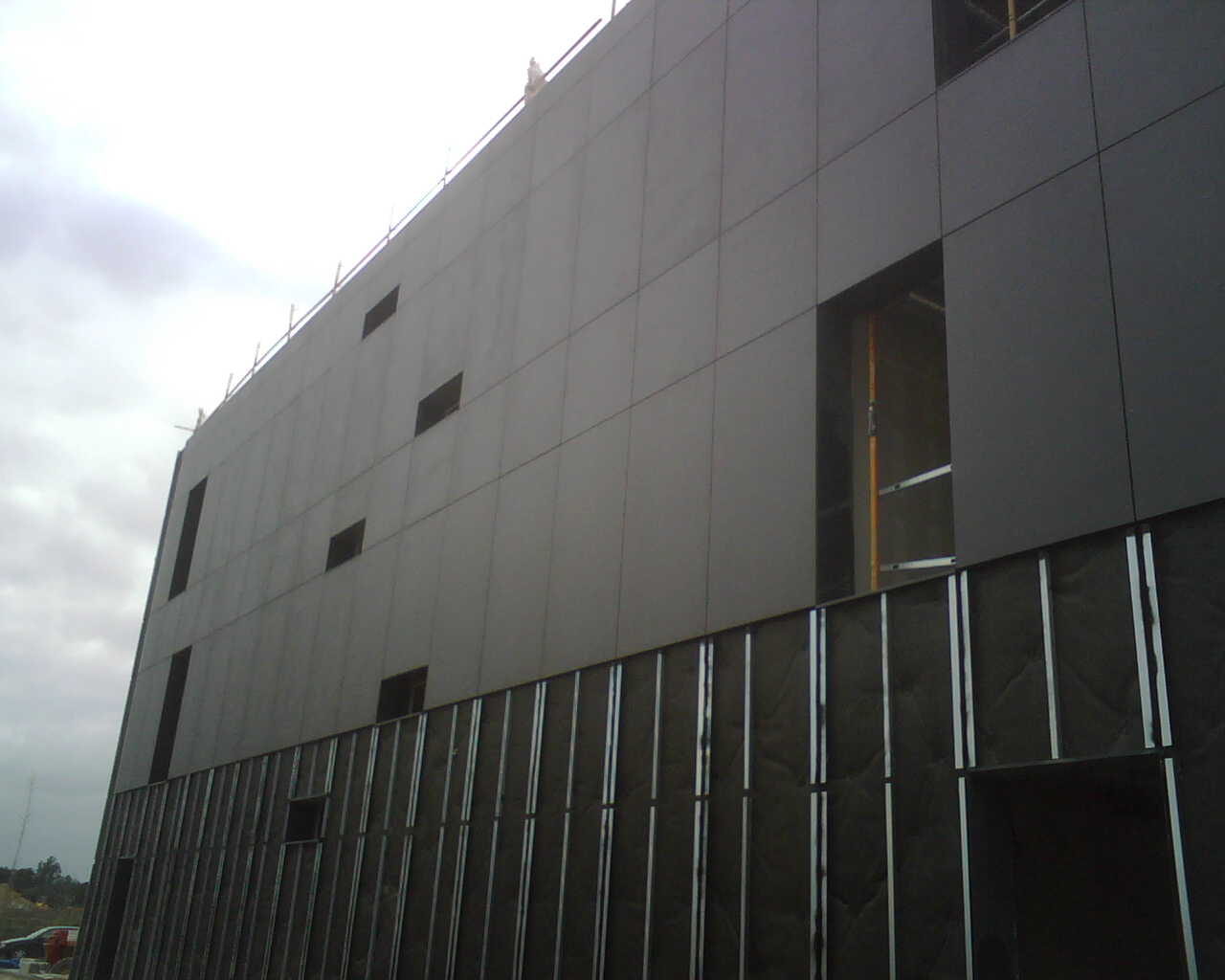
As with any rainscreen, the panel is only part of the story. We install fiber cement over a continuous weather-resistive barrier, a sub-framed and ventilated cavity, and continuous exterior insulation — the assembly that actually keeps the building dry and efficient.
How fiber cement fits in the wall assembly
The panel is layer one — the visible screen. Hover or tap a number to see what sits behind it.
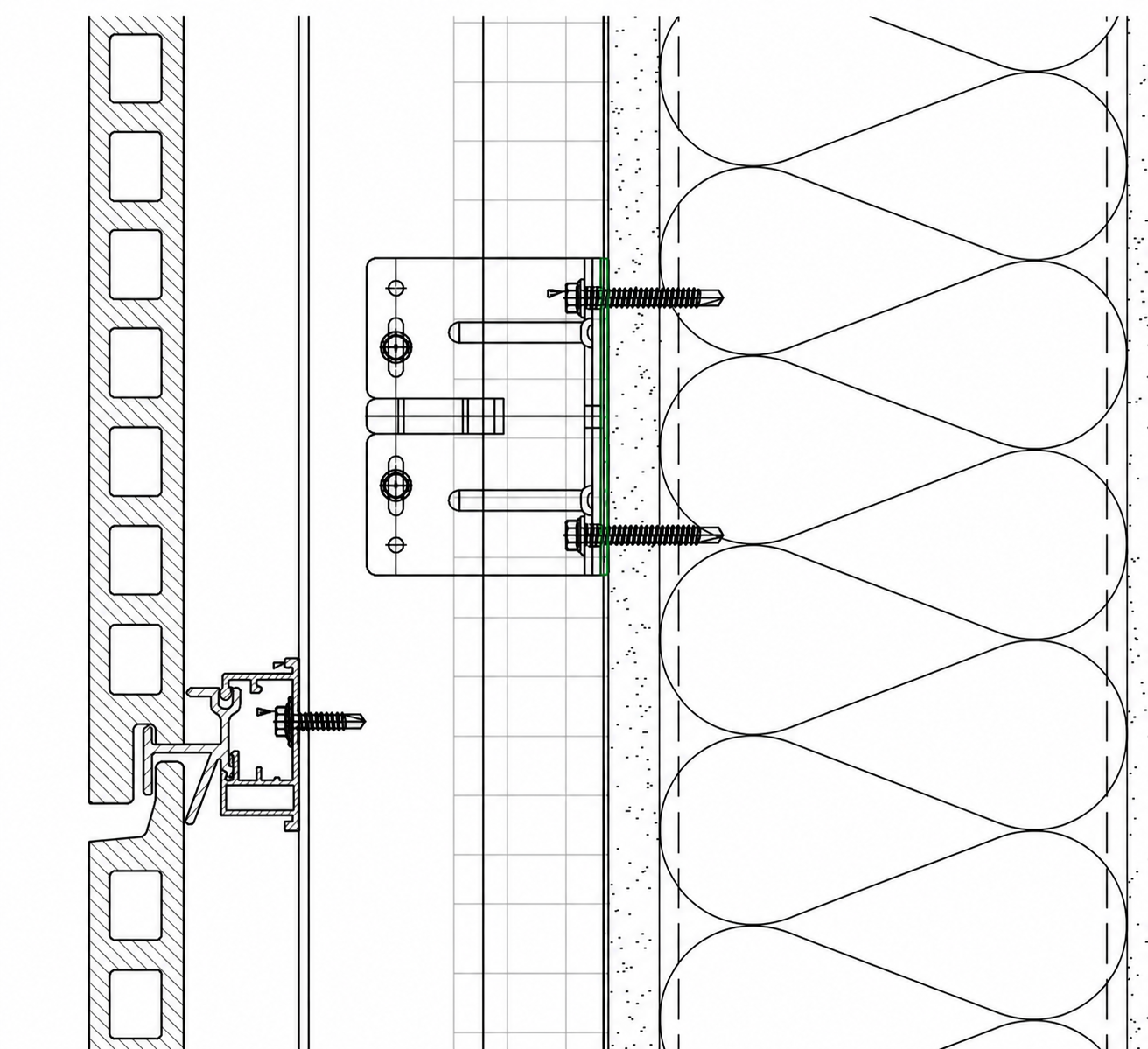
Fig. 01 — Fiber cement rainscreen assembly
Why specify fiber cement
Three reasons it remains the default rainscreen panel across the DMV.
Weathers decades, not seasons
It doesn't rot, warp or feed pests, and it handles freeze–thaw and humidity without trouble. Behind a ventilated cavity that keeps it drying, a fiber cement façade is built to outlast the finishes around it.
Non-combustible by nature
Cement-based panels don't contribute fuel to a fire — a meaningful advantage for healthcare, education and multifamily buildings where assembly fire performance is scrutinized.
Stone, wood or color
Factory finishes deliver color-stable smooth panels, convincing wood grain, or stone-like surfaces — and large-format options keep joint lines clean and intentional.
Brands & systems we install
Our installation process
How a fiber cement rainscreen goes up — from coordination to closeout.
- Survey & shop drawings
We measure the wall, coordinate with the architect and other trades, and produce panel layouts and detailing for transitions, openings and terminations.
- Weather-resistive barrier & flashing
The continuous WRB and all flashings at windows, parapets and penetrations go on first — the line that genuinely keeps water out.
- Continuous insulation & sub-framing
Exterior insulation and the rainscreen sub-frame establish the ventilated, drained cavity at the correct depth.
- Panel installation
Fiber cement panels are set to the layout with concealed clips or fasteners, holding consistent reveals and clean joint lines.
- Detailing & closeout
Trims, corners and terminations are finished, the cavity ventilation paths are confirmed clear, and the wall is inspected and documented.
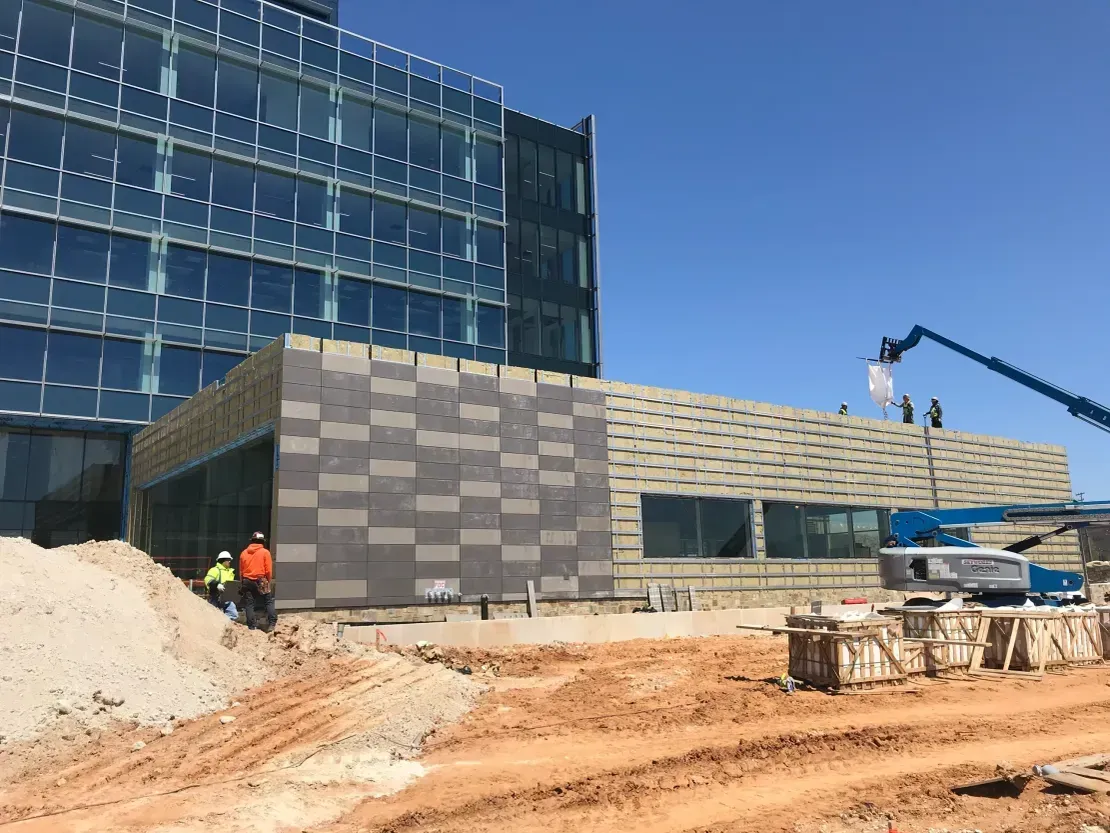
Fiber cement projects
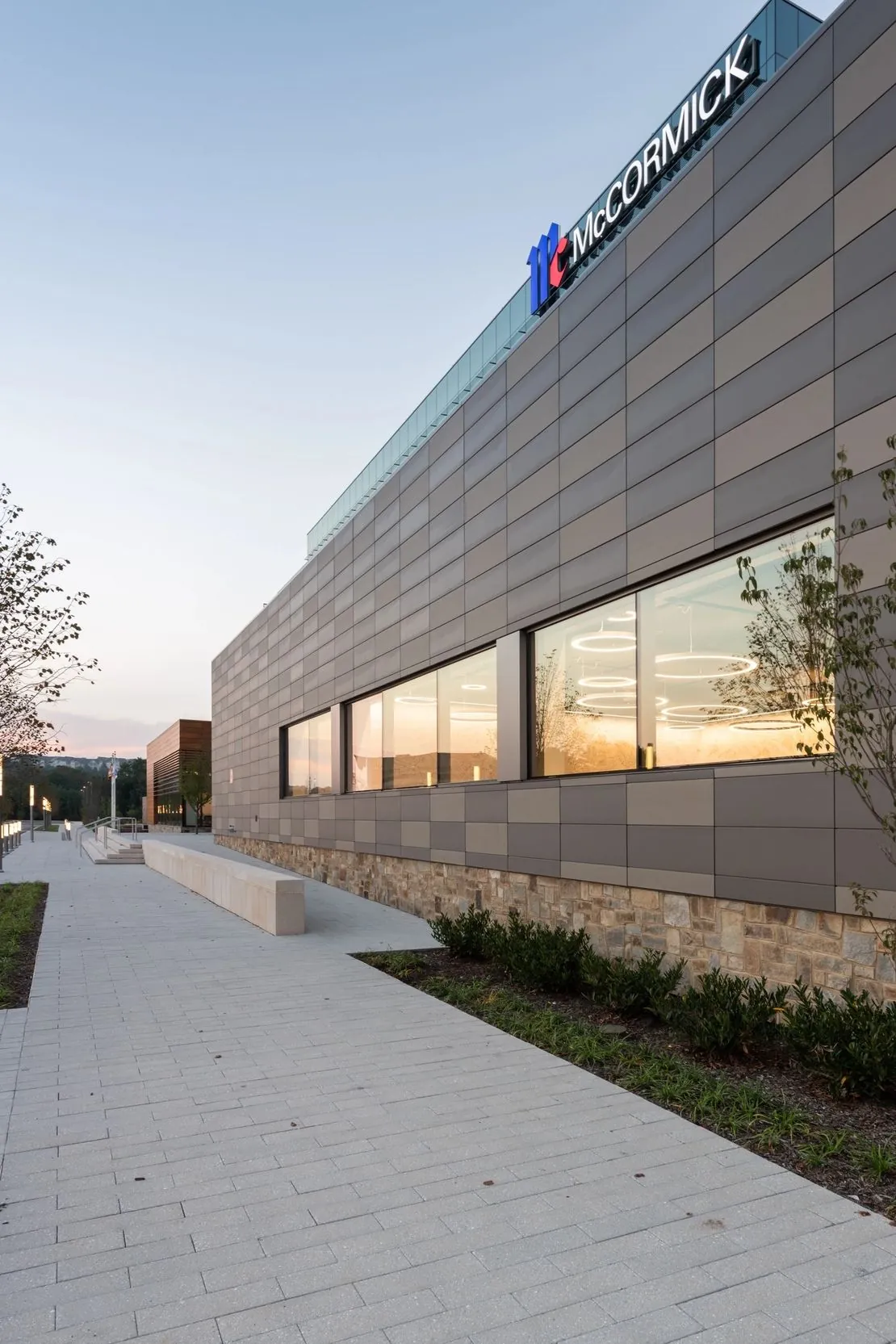
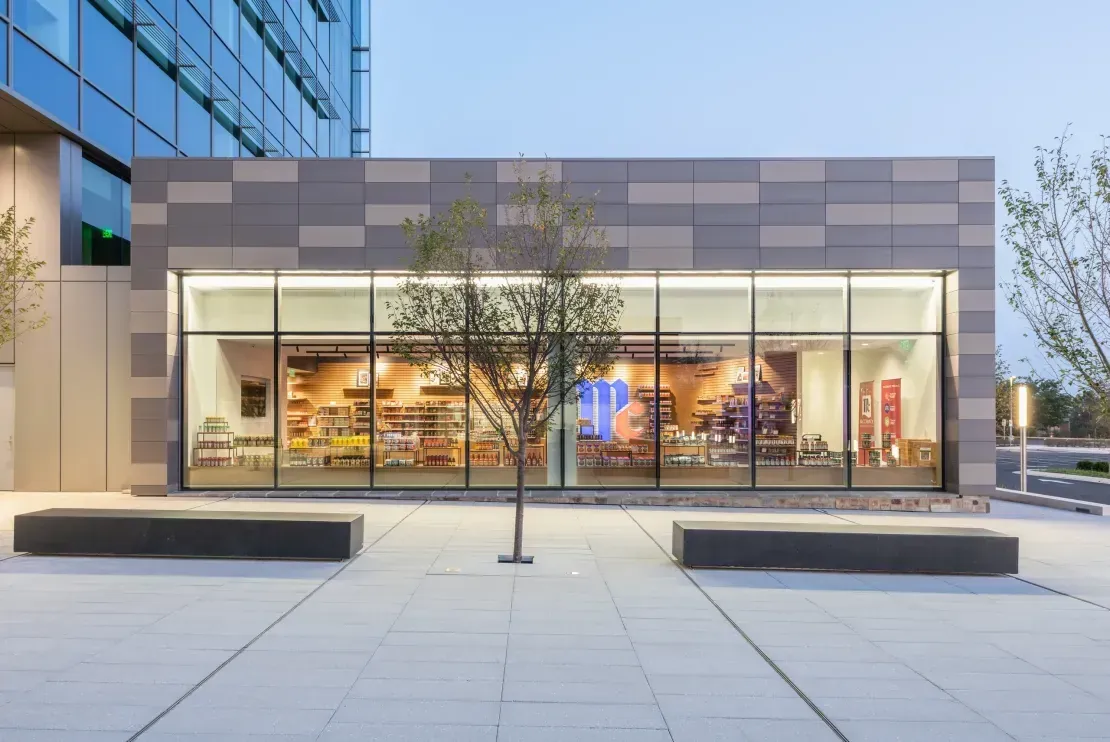
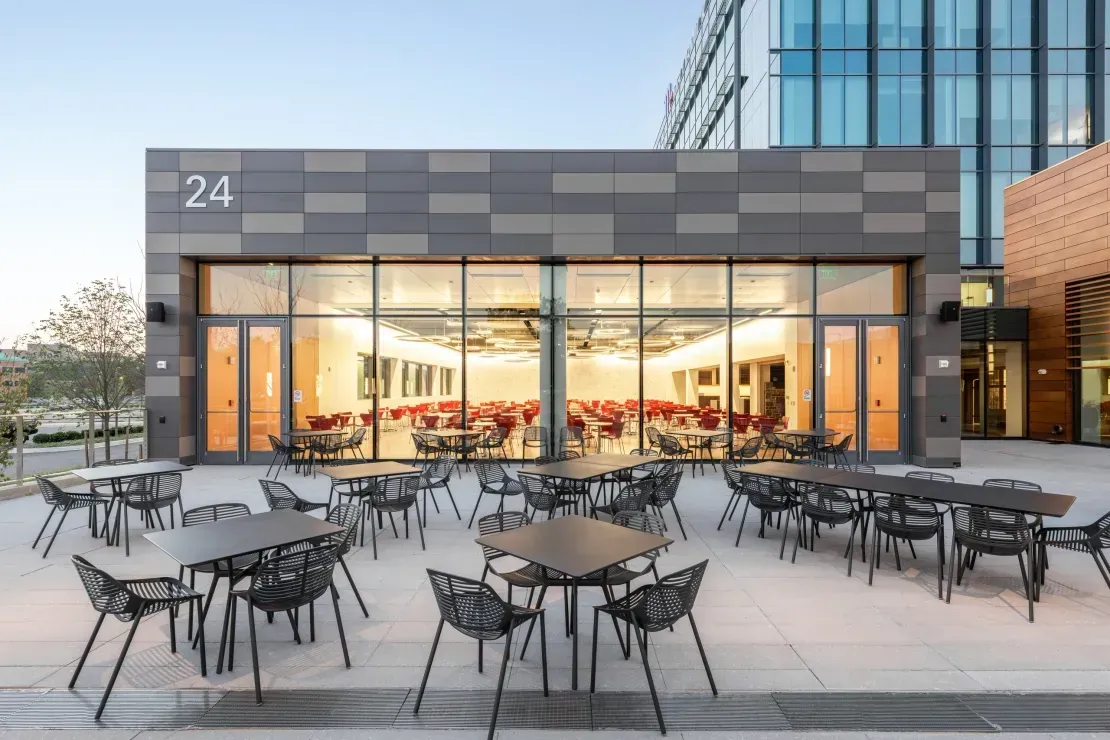
Fiber cement questions
Fiber cement or metal — which is right for my building?
Fiber cement is the durable, cost-effective workhorse: fire-resistant, low-maintenance, and available in finishes that read as wood, stone or smooth color. Metal earns its place where you want long spans, a specific metallic look, or maximum impact resistance. For most mid-rise, mixed-use, education and healthcare buildings in the DMV, fiber cement hits the best balance of performance, appearance and budget.
Does fiber cement hold up in the D.C. climate?
Yes. It's a composite of cement, sand and cellulose fiber — it doesn't rot, doesn't feed pests, and resists the freeze–thaw cycling and humidity of the Mid-Atlantic. Installed as a drained, back-ventilated rainscreen with continuous insulation and a properly detailed WRB, it's one of the most reliable claddings for the region.
What's the difference between James Hardie and Nichiha?
Both are leading fiber cement manufacturers. James Hardie is known for its broad finish range and color technology; Nichiha for architectural panel profiles and integrated clip attachment built for rainscreen use; Swisspearl for large-format, through-color panels. We install all three and help select the right one for the look and detailing.
How much maintenance do the panels need?
Very little. Factory finishes are color-stable and the ventilated cavity keeps the assembly drying, so maintenance is generally limited to periodic cleaning and inspection of joints and sealants — far less than wood or painted claddings.
Considering fiber cement for a DC, Maryland or Virginia project?
Send us the building details and the look you're after — we'll talk through panels, attachment and detailing.