Fiber cement and metal are two of the most common rainscreen cladding materials we install across Washington DC, Maryland and Virginia. Both make excellent, long-lived façades — but they have different strengths, and the better choice depends on the building, the look you're after and the budget. Here's how they compare.
Fiber cement: the durable workhorse
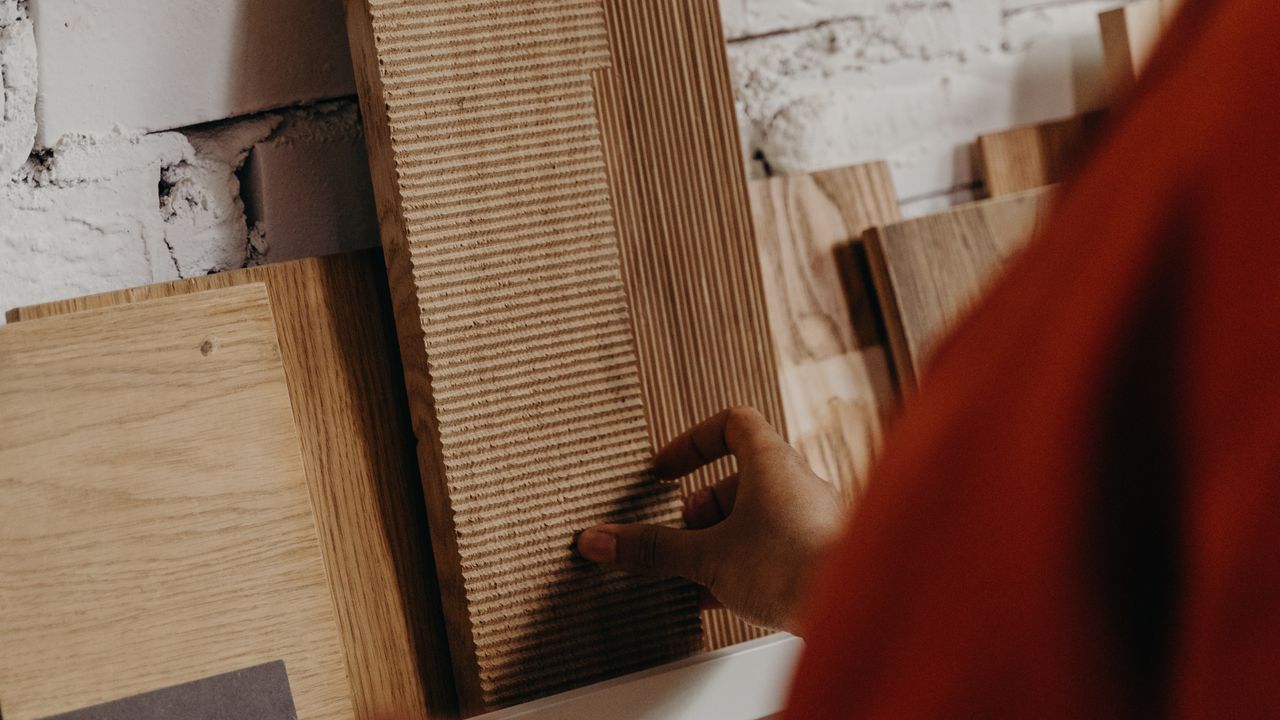
Fiber cement is a composite of cement, sand and cellulose fiber. It's non-combustible, doesn't rot or feed insects, and handles freeze-thaw and humidity without complaint — which is why it's the default on so much multifamily, education, healthcare and mixed-use work in the region. Factory finishes are color-stable, and the material is offered in surfaces that read as smooth painted panel, natural stone or convincing wood grain.
Its biggest advantage is balance: strong performance, broad design range, and a cost that works for large façades. For most mid-rise buildings, fiber cement is the sensible starting point.
Metal: where it wins
Metal panels — aluminum composite (ACM/MCM), solid metal plate, insulated metal panels and single-skin — bring a different set of strengths. They're lightweight relative to their span, come in a near-limitless palette of colors and finishes, and can be formed into crisp, large, flat planes or custom shapes. Metal plate in particular delivers exceptional impact and weather resistance, which is why it shows up on government, healthcare and high-traffic civic buildings.
If your design calls for a specific metallic look, very large flat panels, or maximum impact resistance, metal is often the answer. Fire performance depends on the system — modern projects specify fire-rated cores for composite panels.
Comparing the two
- Fire — fiber cement is inherently non-combustible; metal composite panels rely on a fire-rated core, while metal plate is non-combustible.
- Weight — both are light enough for efficient rainscreens; metal is generally the lighter of the two.
- Look — fiber cement leans natural (stone, wood, matte color); metal leans crisp, metallic and contemporary.
- Cost — fiber cement is typically the more economical for large areas; premium metal plate sits at the higher end.
- Durability — both last decades behind a properly ventilated cavity; metal plate offers the best impact resistance.
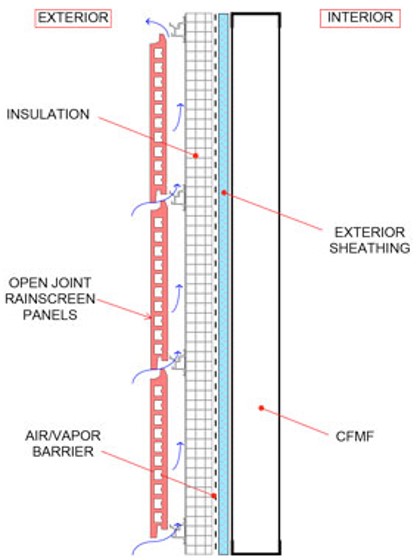
The cladding is the screen. Whichever material you pick, it's the ventilated cavity and the membrane behind it that keep the building dry.
Which for your DMV building?
As a rough guide: choose fiber cement when you want a durable, fire-resistant, cost-effective façade with a natural or modern-matte look across a lot of wall area. Choose metal when the design calls for a specific metallic finish, very large flat panels, or top-tier impact resistance. Many projects use both — fiber cement across the field with metal as an accent.
The most reliable way to decide is against your actual elevations and budget. We install both as complete rainscreen systems and can walk you through the trade-offs for your specific building.